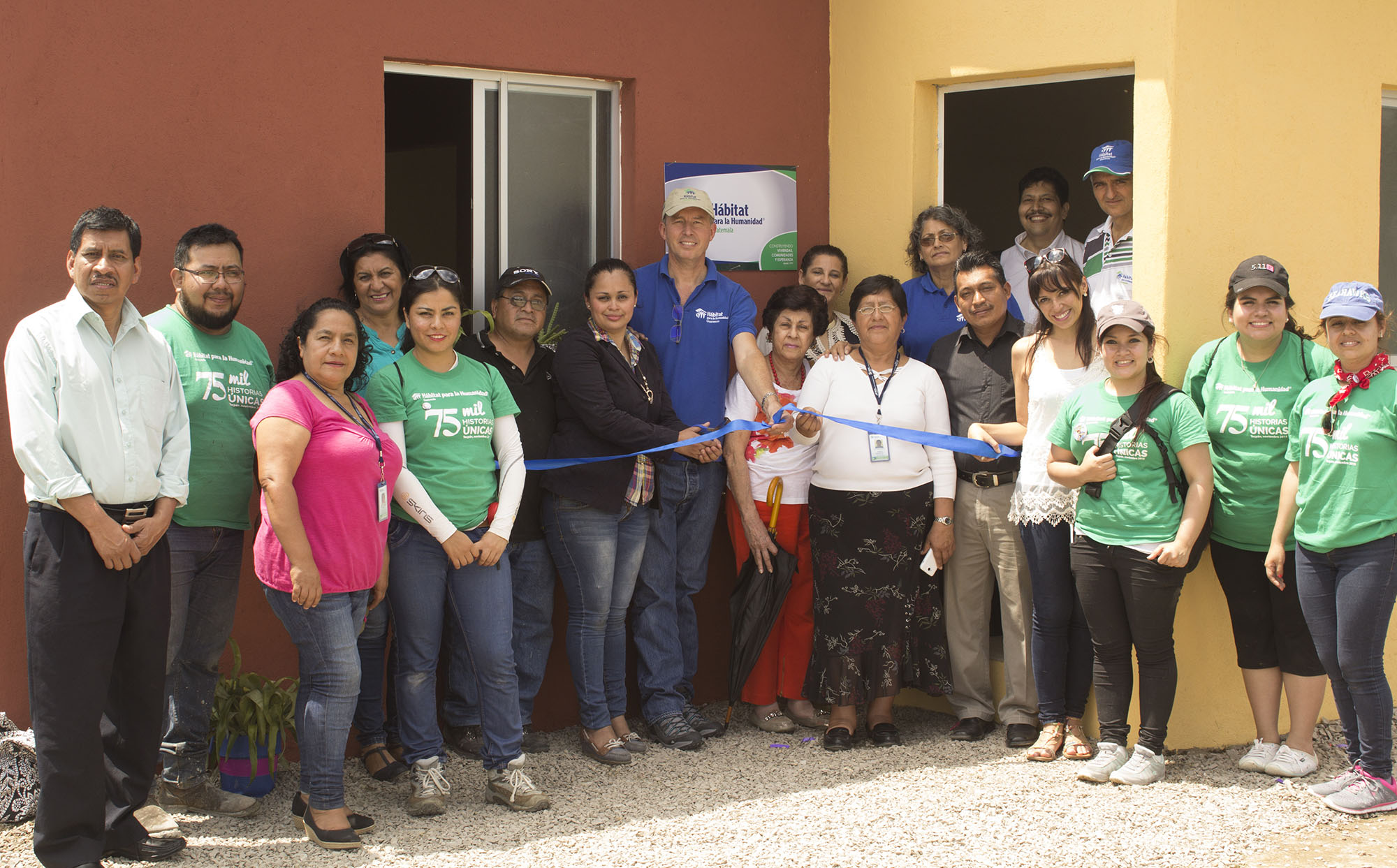
Primera Casa en la Democracia, Escuintla


“Hábitat tiene variedad de modelos de casas, a precios accesibles que se adecuan a su presupuesto”. Elva Ramos


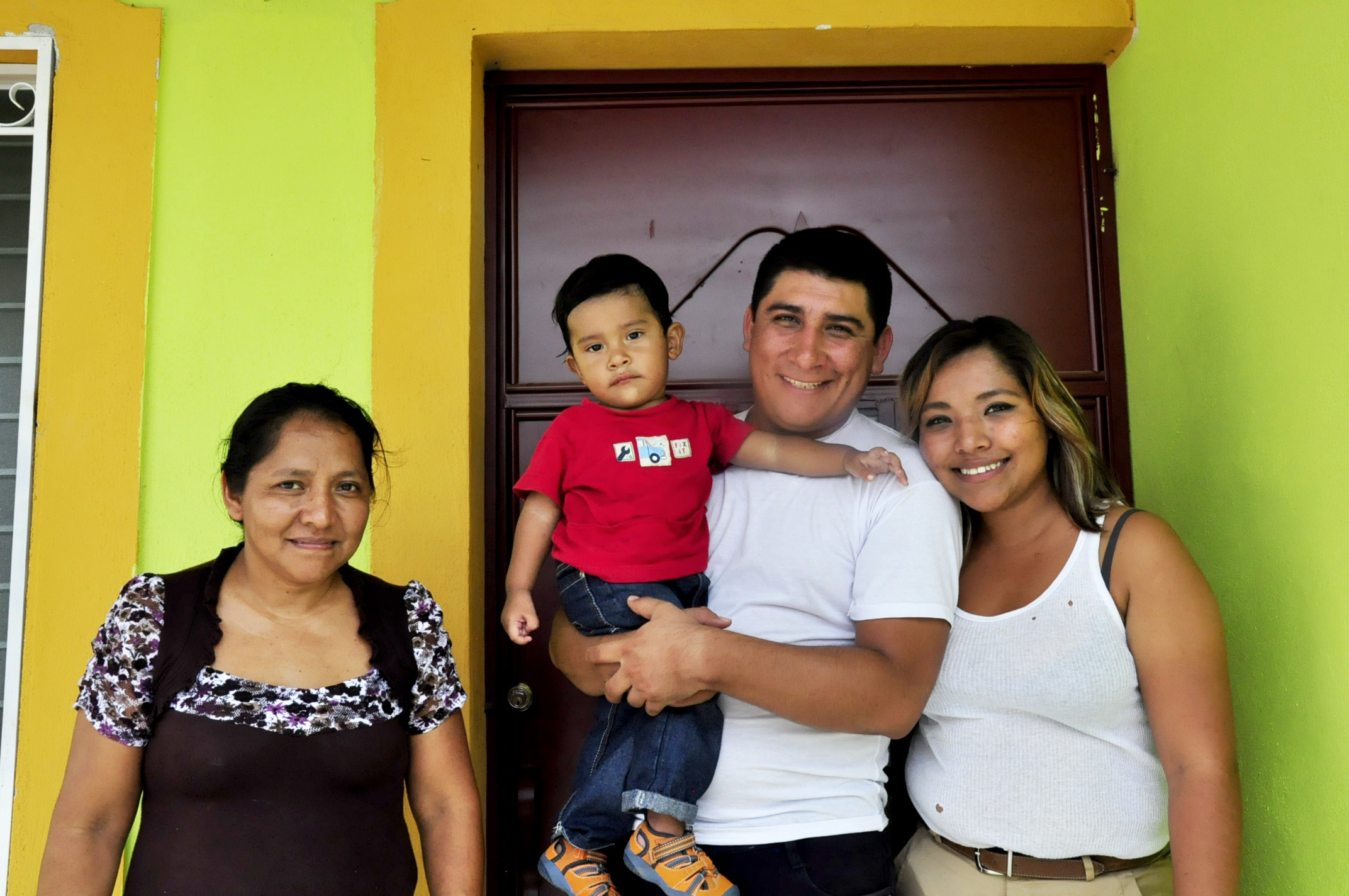
Hacía mucho tiempo que tenía la ilusión de construir mi casa, así que me acerque a las oficinas de Hábitat, en la visita me hablaron de cómo acceder a una vivienda, me brindaron información y asesoraron para llevar a cabo la construcción de mi casa.

Recuerdo que a pesar de lo retirado que se ubica el terreno salía a encontrarlos y los guiaba para que llegaran con el material, ha sido tan rápido, se llevó aproximadamente dos meses de construcción. Estoy tan satisfecha, antes vivía en una covacha donde se entraba el polvo y el agua, deseaba algo más bonito y seguro; me atreví y hoy ya tengo más de 8 meses de vivir en mi nueva casa e incluso mi salud ha mejorado a causa que ya no entra el polvo.

Cuando la casa iba a la mitad me emocionaba, no lo creía. Mi nuevo hogar es la primer casa Hábitat en el Parcelamiento El Pilar de la Democracia, Escuintla. He visto el apoyo de parte de la fundación desde reunir los documentos hasta que finalizó la construcción, hoy solo puedo decir que me siento feliz, animo a que se atrevan y como yo hagan su sueño realidad; las cuotas son bajas y accesibles, si yo lo logré otros pueden hacerlo también.

Si deseas construir, ingresa a: https://www.facebook.com/habitatguate/app/333506417012947/


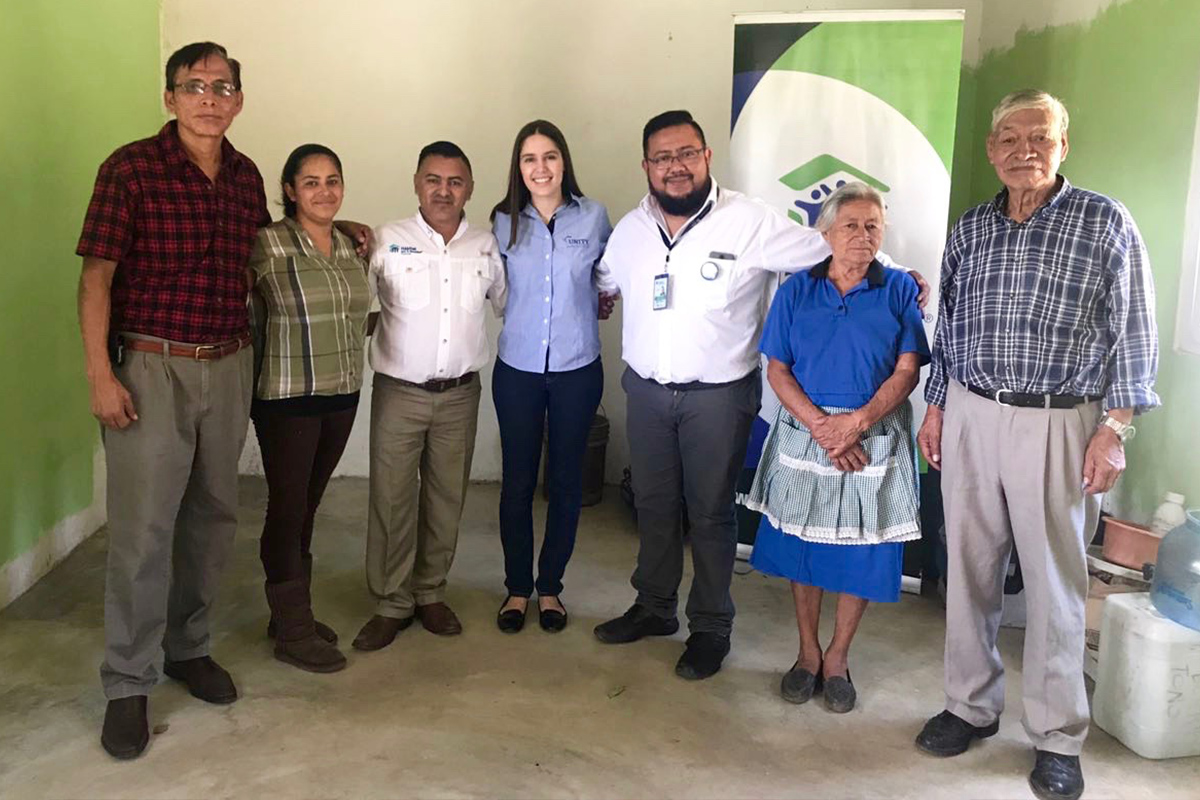
Unity Promotores

Sofía Benítez – Coordinadora de Mercadeo y Proyectos,encargada de Responsabilidad Social Empresarial en Unity Promotores.
1.¿Quién es Unity Promotores en Guatemala?

Somos una empresa corredora de seguros, enfocados en brindar un producto a la medida de cada cliente, enfocados en las necesidades e informándolos para que el proceso siempre sea transparente, aplicando los valores que nos identifican como empresa.

2. ¿Cómo surgió la relación con Hábitat?

Nos inclinamos debido a que estábamos en busca de una organización que compartiera nuestros valores como la calidad de vida y el respeto al desarrollo de las personas. Hábitat además de ser reconocida mundialmente tiene una estructura no perecedera, sino duradera, constante y de gran impacto en las familias.

3.¿Cómo observa la relación de Unity y Hábitat a futuro?

Hace 3 años iniciamos donando una casa y cada año hemos ido aumentando el número, este año serán tres casas una por parte de la recaudación de fondos de los colaboradores de la Empresa, otra propiamente de Unity y la tercera por medio de los proveedores y clientes que también se han sumado. Esta relación va para largo, vamos a seguir apoyando pues reconocemos que a través de los proyectos de construcción se ha logrado un progreso en el desarrollo del país.

4. Acerca del voluntariado Corporativo:

Como empresa, creemos que es importante que nuestros colaboradores se identifiquen e involucren con la causa a la cual apoyamos haciendo voluntariado, es una forma para que cada persona observe la importancia que tienen en la vida de cada familia beneficiada y también como se invierten los fondos. El voluntariado cambia vidas tanto al que se ayuda como el que sirve.

5.¿Cómo surgió y en que consiste el proyecto “Una casa para Navidad”?

Nació después de reasignar un presupuesto que se había destinado para canastas de navidad para los clientes. Nuestro deseo ha sido ser parte del desarrollo del país y notamos que una canasta de navidad bajo el árbol no tendría la importancia que tendría un nuevo hogar para una familia de guatemalteca, así que se decidió asignar ese monto para donar una casa en nombre de nuestros clientes. Una casa para Navidad es un proyecto transforma la vida de una familia, el proceso de recaudación no es fácil, pero al ver los resultados positivos en nuestro país el esfuerzo vale la pena.

“Los invitamos a apoyar a organizaciones, especialmente a Hábitat Guatemala, pues es una fundación organizada y de gran impacto en el tema de vivienda y calidad de vida en las personas que se ven afectadas por el déficit habitacional que se vive en Guatemala”. Sofía Benítez

Conoce a nuestros Proyectos: https://www.habitatguate.org/causas-2/

Día Mundial del Hábitat

Moldeando el futuro de nuestras ciudades y pueblos.

Las ciudades están afrontando desafíos demográficos, después de que se ha producido un traslado del mundo rural al urbano. Las ciudades y los asentamientos humanos son el lugar donde interactuamos social, cultural, política y económicamente, y donde nos desarrollamos como seres humanos.

Por la ausencia de una adecuada planificación urbana, las consecuencias del rápido desarrollo de las ciudades pueden ser trágicas. En muchos países como Guatemala, los efectos de una mala política de urbanización se están percibiendo ya con la falta de viviendas apropiadas y la creación de zonas sin infraestructuras, lo que fomenta la pobreza, el desempleo, la delincuencia, la contaminación y los problemas de salud pública, así como respuestas insuficientes ante los desastres naturales o catástrofes debidas a los efectos del cambio climático.

Como reto para afrontar este tema en el 2015, líderes mundiales crearon el Objetivo de Desarrollo Sostenible número 11, “Ciudades y Comunidades Sostenibles”, que propone la creación de urbes inclusivas, seguras y sostenibles.

Las Naciones Unidas designaron el primer lunes de octubre de cada año como Día Mundial del Hábitat para reflexionar sobre el estado de nuestros pueblos y ciudades, sobre el derecho básico de todos a una vivienda adecuada, también para recordar que todos tenemos el poder y la responsabilidad de moldear el futuro de nuestras ciudades y nuestros pueblos.

Como Hábitat para la Humanidad Guatemala nuestra visión es que todas las personas tengan acceso a un vivienda adecuada, es por eso que nos unimos en esta celebración con la que generamos un espacio para la discusión y reflexión sobre esta problemática que afecta a nuestra población través del Foro Nacional de Vivienda Social, con el objetivo de promover las políticas y herramientas que impulsen el desarrollo y una mejor planeación urbana de nuestra ciudad y por ende todo el país. Es por eso que reafirmamos nuestro compromiso de trabajar por un mundo donde cada persona tenga un lugar adecuado para vivir.

Involúcrate: involucrate@www.habitatguate.org

Agua segura, agua para todos

El agua es un líquido vital al que en la ciudad la mayoría de personas tenemos acceso, pero hablemos de aquellos que salen a buscarla, quienes en lugar de un grifo tiene un cántaro que no gira con la mano, sino se encuentra a kilómetros de distancia, aquellos para quienes la recolección de agua se convirtió en una profesión.

Madrugan igual o aún más que los que vivimos en ciudades, y así como nosotros luchamos contra el tránsito vehícular ellos luchan por ser los primeros en llegar a los riachuelos para llevar a casa la porción más limpia de agua.

Este es el caso de decenas de familias que viven entre las montañas de nuestro país, comunidades en las que Hábitat ha apoyado con programas de desarrollo comunitario a través de grupos organizados; con soluciones que van desde huertos familiares y comunitarios de autoconsumo capaces de producir alimento para todas la familias hasta proyectos de cosechadores de agua de lluvia que ha permitido que más de 70 familias, dejen la profesión de recolectar agua y utilicen este tiempo en cuidar y educar a sus hijos.

Familias Beneficiadas con el Proyecto “Cosechadores de Agua de Lluvia”.

Doña Isabel Menchú, vive en Macalajau, Uspantán, El Quiché; tenia más de 10 años que junto a sus hijos se levantaba muy temprano para acarrear agua en cantaros, caminaba kilómetros hacia una laguna, aunque llevaban varios recipientes no era suficiente, así que realizaban durante el día 2 viajes en la mañana y 3 en la tarde después que los niños regresaban de la escuela.


EL agua que recolectaban de la laguna es la que usaban para cocinar y beber, debido a la contaminación del agua sufrian de enfermedades intestinales, hasta que nuestros colaboradores visitaron la comunidad y observaron que la necesidad más grande era la escases del agua, Doña Isabela cuenta como ella y su familia se han favorecido del Proyecto desde la instalación; ya no tiene que caminar tan lejos por unos cantaros de agua, tiene agua segura, limpia para beber, para bañarse y para realizar todas la tareas del hogar, además que tiene tiempo para dedicarse al cultivo de su huerto y a la crianza de sus animalitos.

Don Alberto Pu Chipel, también originario de la aldea Macalajau, nos relató el itinerario que tenía antes de la instalación del Cosechador de agua. Como muchos se levantaba a las cuatro de la mañana para ir a recolectar agua de la laguna, la cual queda lejos de su domicilio, antes de irse a trabajar en el cultivo de sus tierras. Ahora que cuentan con un cosechador de agua de lluvia, ya no se enferman y el gasto de leña es menor pues también se le brindo un filtro purificador con el que ya no tiene que hervir el agua que van a beber.


“El cosechador de agua de lluvia ha sido de gran ayuda, ahora tengo agua limpia para toda mi familia”.–Alberto Pu Chipel


Gracias a FEMSA por sumarse y trabajar junto a nosotros en este proyecto y cambiar la calidad de vida de familias guatemaltecas.

Involúcrate, dona, sé voluntario y construyamos juntos un país de igualdad, y desarrollo para todos.

Cosechadores de Agua de Lluvia: https://www.youtube.com/watch?v=YXKmG59YSHY


Día Internacional para la Reducción de Desastres

El día internacional para la Reducción de Desastres se presenta como la oportunidad de reconocer avances y aportes que se han logrado como apoyo a la reducción del riesgo ante las problemáticas que se han presentado en nuestro país especialmente en comunidades afectadas por desastres  naturales.

Como organización estamos presentes en las iniciativas en respuesta a desastres enfocados en ofrecer experiencia técnica y humanitaria, construcción de hogares seguros, sostenibles y permanentes.

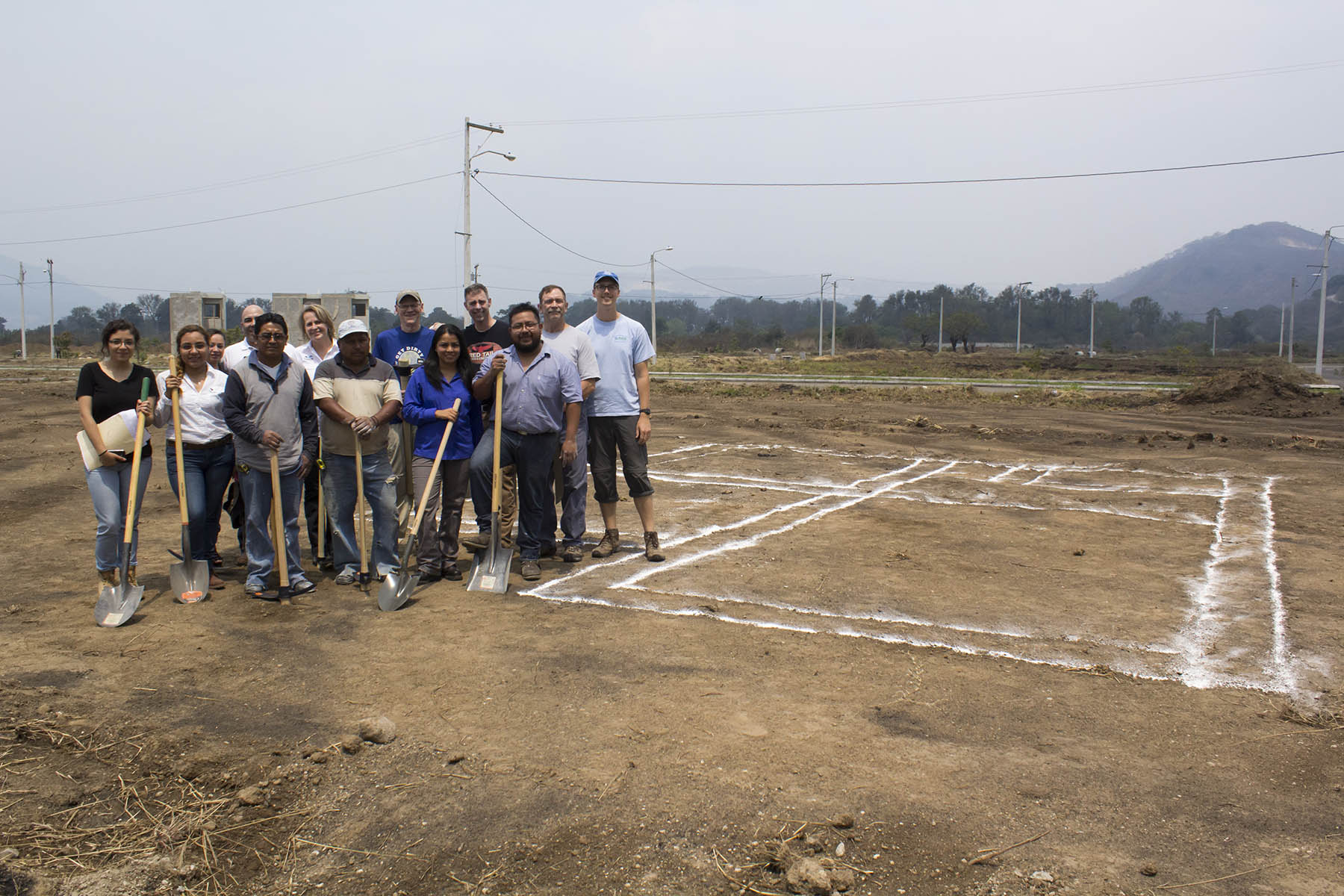
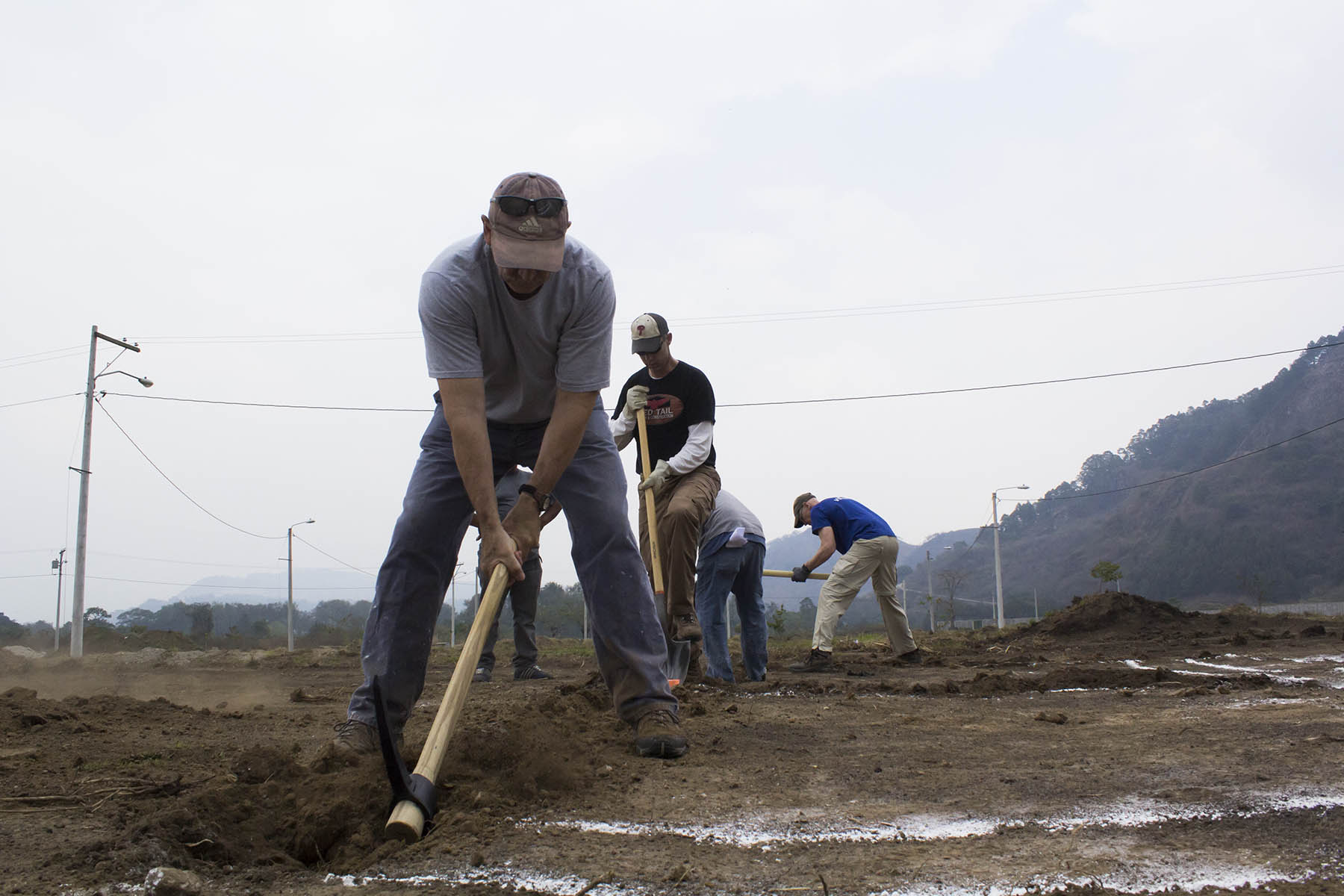
Con el apoyo de donantes y voluntarios hemos apoyado la visión de una vivienda asequible y es así como se creó el Proyecto “Nueva Vida” con el objetivo principal de atender y beneficiar a las familias afectadas en la comunidad El Cambray 2, en Santa Catarina Pínula a causa del deslizamiento de tierra que sepultó cientos de viviendas el 1 de octubre del año 2015.

En respuesta a dicha tragedia, se adquirió́ un terreno en Villa Canales para trasladar a los damnificados que se  vieron afectados, quedando soterradas sus pertenencias junto con sus casas por completo.

La construcción de la primera fase inició el 18 de abril del 2016, beneficiando a 4 familias, el 13 de agosto del mismo año se hizo entrega de la primera vivienda del proyecto, ubicada en un lugar libre de riesgo, con servicios básicos, espacios públicos y de recreación, dando así una solución para apoyar a las familias que perdieron una parte de su vida.

Este proyecto ha  brindado una segunda oportunidad de vida a las familias afectadas, siendo la familia Suruy y Aguirre las primeras en habitar una casa propia después del deslave.

Conforme transcurre el tiempo, nos seguimos preparando para dar el mejor apoyo, educando a las personas en cuanto a desastres naturales,  mitigación de riesgo y  construyendo casas antisísmicas con materiales certificados.


Por una Guatemala mejor,  seguimos construyendo viviendas comunidades y esperanza.

                  Conoce a una de las familias beneficiadas con el Proyecto “Nueva Vida”:                   https://www.habitatguate.org/staff-view/familia-suruy-los-ultimos-seran-los-primeros/


The Morales Family

The first sound heard when entering Nelson and Dulia Morales’s home is cheering. In their bedroom, the local soccer game is airing on television. After scoring a quick goal, their favored team is in the lead. “It’s nice to be here, and we’re two people, without any worries,” remarks Nelson. “We can invite people over to watch the soccer game and because there is more space, we can cheer for our team as loud as we want!”

Nelson and Dulia have only lived in their Habitat for Humanity Guatemala home for a few weeks, but they have come to experience a fresh new form of freedom. Before building their home, the couple lived with Nelson’s parents for two years. However, the house had problems. “It was older,” recalls Nelson. “There were leaks coming through the roof, which caused problems.”

“It’s necessary to be independent,” adds Dulia. “We didn’t want to rely on in-laws for everything.”

Soon, the two of them began to consult moving options. However, because both Nelson and Dulia are teachers, they were worried about the costs of housing. Luckily, Nelson’s parents suggested Habitat for Humanity Guatemala for its economic flexibility. “We liked how with Habitat, you pay monthly over a long term period of time,” says Nelson. “So we went for more information at the local affiliate and decided to go for it. We wouldn’t have had our new house without Habitat Guatemala, and we’re finally starting a new dream, a new life.”

For three and a half months, the couple worked on the construction of their new home. Each day, after they finished up teaching at the local school, they were present for the building. For one week, a group of international volunteers took part. Nelson and Dulia’s faces light up when they are mentioned. “The group of volunteers came in May,” remembers Dulia. “They were friendly and collaborative. For ten days, they helped us advance on our house. We had contests to see who could build more rebar, and they won.” They laugh.

Both Nelson and Dulia are grateful for the volunteers’ hard work. “The people who came here, they are blessed with all of our hearts. Everything was pleasant and wonderful, they are also in the hearts of my family. I am grateful for the entire team. They entered so graciously, and for that, may God bless them. Wherever they may be, they will also receive our support. If you come back, we will be waiting for you.”

Their new house has been nothing short of a great improvement, and Nelson and Dulia are eager to create new memories. Dulia enjoys that there is more space and that their house is becoming one to call their own. “We plan to paint, to continue with small progressions,” she notes. “We don’t have kids yet, but they’ll be here soon!”


Smokeless Stoves: Santos Tuy Ajú and Juliana Palaj Cumes

Santos Tuy Ajú

“We wanted to build a new stove because of the smoke. It made us cough, and we had to go to the doctor in Sololá, which is 45 minutes away from here. Sometimes, we went, sometimes we didn’t. Sometimes, they would have medicine, sometimes, no. Sometimes, the children suffered from the smoke, and sometimes, they burned themselves.”

Santos Tuy Ajú tells her story carefully in Kaqchikel, a local Mayan dialect spoken in the Sololá department of Guatemala. Her confident posture and calm, clear voice are all indicative of the community leader that she is.

Even her family is entranced. Her two younger children, four-year-old Ivan, and seven-year-old Maura, both linger next to their stove to listen to her speak.  “What I like most about this stove,” she explains, “is that all the smoke is gone. When I light it, my work is done for me, and I can feed my family.”
Santos and her family of ten live tucked between the dense forests and hills of Sololá. Their resources are limited, especially when finding firewood to warm themselves. “We buy wood, but when it gets too expensive, we have to search for it. When we buy wood, we used up a bundle in fifteen days, and it cost us 300 Quetzales ($41.00),” Santos remarks. “Now, it lasts longer with the new stove, and whatever money we save, we use to buy clothes for our kids, plus more materials that will let them be successful in their studies.”

Through a friend, Santos came to learn about Habitat Guatemala’s Healthy Home Kit programming, which provided resources for families like hers. Santos became determined to get her entire community on board, and got in contact with the local affiliate. “We asked so many questions, because that was really important to us,” she describes. “Twenty-seven families have been supported through this project, and we are so grateful for it.”

As for the group of volunteers that assisted Santos with building her stove, she speaks of them with love. “The group that came spent a day constructing it with us. I remember them clearly. Together, we shared peaches, and corn. Our family taught them all about the corn, how to eat it, and how to make tortillas from it.” Santos then laughs. “I remember taking all the photos. We kept all of them.”

She remains grateful to their work and efforts. “May God bless you, thank you so much for coming here to support families in the community,” she says. “I hope that you continue to help families like ours, for many of them still need it. I hope that you remember us, and everything that you have done.”


Juliana Palaj Cumes

A group of neighborhood women gather around Juliana Palaj Cumes’s smokeless stove to circulate the daily gossip. Chattering in Kachikel, the women giggle at one another’s news between bites of tortillas and beans. This same collective of women helped Juliana become an owner of the very stove that they sit around.  “We came to know Habitat when doña Santos, the community leader, came to us to tell me about the projects started by Habitat Guatemala,” Juliana says. “She began a system of support in our community.”

Juliana is pleased with how everything turned out. “I like the new stove more because it saves us so much wood. We can cook lunch without having smoke everywhere.” She points to the ceiling, where long tendrils of ash still hang above her head, a reminder of what once was.

Before building her new stove, Juliana recalls experiencing great difficulties with cooking. “I used on an old stove for fifteen years. It wasted a lot of wood and produced too much smoke.” She forms tortillas as she speaks, pressing the mass of corn in her palms. “The smoke would fill up the kitchen, which bothered our eyes and caused us to cough. We went to a health center once in awhile, but when they didn’t have medicine, there was nothing that we could do, which left us sick.”

Under her elbow, Juliana’s youngest son, three-year-old Romeo, sips quietly on his atol corn drink. He shifts closer to seek the warmth of the stove. “The old stove gave me so many problems, and it used to burn me when the wood fell out of it,” she reveals.

Thankfully, the new smokeless stove has saved Juliana’s family from health problems. Furthermore, collectively, they have more time and energy than before. “With the extra time we save, my husband and children may work a bit more to earn more money for us,” she says. “Before, we used so much wood that they would return after work and realize everything that they had found a few days before had been used up. We’d say ‘where are we going to find more wood for all of us?’”

Juliana remembers building her stove with great fondness. “The construction of the stove took about half a day. My children cut the blocks beforehand. And I remember the group of volunteers still,” she beams at the memory. “I have a photo of them in my bedroom. They may always come back and are always welcome. They were so friendly, wonderful.”

Her message for them? “One day, we will meet one another once again. On behalf of my family, thank you very much for the work that you came to build the stove. The stove has made an enormous difference, thank you so much.”

Smokeless Stoves: Catalina Xoquic Cuxulic and Antonia Tuy Tuy

Catalina Xoquic Cuxulic

Catalina Xoquic Cuxulic’s kitchen hugs close to the ground, capable of only fitting two to three people at a time. The Habitat Guatemala volunteers faced some issues with her ceiling, discloses Catalina, laughing.  “They kept hitting their head on the roof!” she exclaims, pointing to the low-hanging beams. “But they were eager to get to know us and build.”

That group of volunteers were determined to assist Catalina. Their mission? To build her a new smokeless stove, which would relieve her of the daily burdens that she faced. “The volunteer group was filled with great people,” she smiles. “Thank you for coming here to help construct the stove. My daughter also uses the stove to cook and support herself. Thank you for sharing this experience with me.”

For years, Catalina had been preparing meals with nothing more than a few cement blocks topped with a precarious iron grill. Without a stable cooking device, both she and her children suffered. “My eyes hurt, I was sick because of the smoke,” she says. “My children were burning themselves all the time. It was awful.”

Catalina went to the doctor for her family’s ailments, but found the experience frustrating. “I went to the doctor about once a month, but I really don’t have time to do so. In the health center, you have to wait hours and hours for medicine.”

Luckily, Catalina discovered a solution through her family. One day, she was visiting a relative in a neighboring community who praised a Habitat Guatemala smokeless stove program that had helped her tremendously. Catalina knew that this path would be a solution; she has never looked back.

“I cut the blocks for the stove together with my family. It took about a day to do,” she says. “Then, the volunteers came.”

For the past six months, Catalina has found joy with her stove. “I like that the new stove uses less wood, that it cooks faster, that I can make tortillas,” she explains. “And I save money. Fifteen days of wood used to cost me 250 Quetzales ($35.00). Now, half of that lasts for a month. And any extra money goes to my children’s education expenses.”

Catalina is filled with gratitude for the experience. “Thank you to Habitat for Humanity Guatemala, thank you for getting in contact with me and thank you, God, for letting them build stoves and giving help with the process, educational classes through it. May you continue your work.”


Antonia Tuy Tuy

One seemingly ordinary day, Antonia Tuy Tuy made a fascinating discovery. “In Consuelos, a community a bit farther down from our own, we were working in the fields with my siblings,” she recalls. “There had been a smokeless stove built there. Through a cousin, we were told that we could work with a volunteer group that would provide us some assistance to build our own, if we were willing to cut the blocks.”

Patiently, Antonia asked a few more questions, took a few mental notes, and then felt committed. If her family members could prepare enough blocks to make a stove, then she would receive help building it from Habitat for Humanity Guatemala. “We work in the fields and don’t earn very much, so this was very important to us,” her daughter, Juana (40), affirms.

The new stove had been a long overdue improvement. “The old stove was about 18-20 years old,” Antonia reveals, slipping into her native Kaqchikel, a Mayan dialect. “The old grill was thick and difficult to cook with. There were a lot of problems with smoke, which made it complicated to work and cook. We had coughs and colds. We would go to the government health center, and we would wait for medicine. If there was none that day, we would have to pay extra money.”

She rubs her palms together as she speaks. “Basically, the old stove was a mess. It burned my arms when I cooked.” She turns her head and contemplates the new device with a loving look. “For that reason, the new stove has been a beautiful invention to us.”

Antonia is happy with how her new stove works. “I like how the stove is thinner, not as bulky. It heats up more, you can make tortillas with it, and multiple people can make all of their tortillas on it throughout the day. We can put a lot of pots on top.” As if in agreement with the stove’s greatness, a small cat perches on the stove, its eyes half closed in slumber.

Antonia also recalls the day that her stove was built with great fondness. “Eight volunteers came to help. They were friendly. We couldn’t communicate well amongst us, but thanks to the help of translators, we chatted a little bit.” She smiles at the memory. “We can’t travel a lot, we haven’t been very many places, but Habitat Guatemala has allowed us to gain more things, and we are grateful for the organization. And as for the volunteers, we are grateful for everything that you have done. We can’t give so much as our thanks. May God bless you for helping and supporting our family.”